

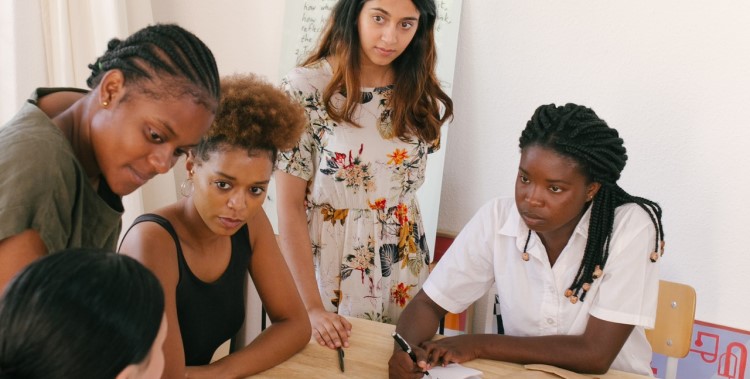
The paper examines the ways in which new spaces and social formations have been utilised to elevate the participation of marginalized demographic groups like women in governance processes in contemporary Zimbabwe. High levels of inequality, poverty, citizen disenfranchisement and other challenges continue to affect social justice, community cohesion and women’s inclusion. Social Accountability as a tool for bottom up development is a relatively new discipline in African governance. While its underpinnings are moored in citizen-led demands for the progressive realization of rights, it has been met with several contextual challenges and, in the case of women’s participation, individual, institutional and structural barriers have curtailed its potential to effectively transform the lives of women. In this way, while social accountability processes have been handicapped by such barriers, thus creating difficulties for ordinary women to participate effectively, patriarchy has compounded such challenges even more so for women. Restrictions in the public sphere, which are strongly tied to patriarchy, with regards to women’s participation have culminated in the underrepresentation of women voices. In respect of this, service delivery decisions at local and national levels tend to be devoid of women’s voices yet poor service delivery adversely affects women given their gender roles within households. Because social accountability places emphasis on citizen-led demands in respect of improved performance of public service delivery, it has seen the emergence of social formations in the form of womenled organizations which provide ‘safe spaces’ to amplify the marginalized voices of women for improved participation and representation in governance processes
